100 Free Users: SaaS Sidekick's Zero Ad Spend Playbook
Eight months. That's how long it took us to go from zero to 100 paying users without spending a single dollar on ads. Not because we had some genius growth hack. Mostly because we were too broke for ads and too stubborn to quit.
This is the full playbook we used. Every tactic, every channel, every mistake.
TL;DR: Getting your first 100 paying users with zero ad spend is brutally hard but absolutely achievable. It demands deliberate strategy, relentless execution, and a willingness to get uncomfortable. This 12-step playbook focuses on direct engagement, community building, and content that magnetically attracts your ideal customer, all without touching your ad budget.
{{youtube:l3nB7zC5CSI}}
Why We Ditched Paid Acquisition Early On
When we first launched, the idea of throwing money at ads felt wrong. We were solo founders, battling the clock and a shoestring budget. Every dollar spent on ads was a dollar not spent on development or, honestly, keeping the lights on.
Our biggest pain point was time. We spent 80% of our energy building the product, leaving almost nothing for marketing. When we finally tried, it was just... nothing. No strategy, no content calendar, no clue where to begin.
This wasn't just about saving money. It was about building a sustainable, organic growth engine. We wanted users who needed us, not users we had to endlessly chase with retargeting campaigns.
Step 1: Deep Dive into Your Ideal Customer Profile
You think you know your customer. You probably don't know them well enough. We certainly didn't initially. Our audience is solo SaaS founders, indie hackers, and small SaaS teams (1-5 people).
But that's just the surface. We needed to understand their daily struggles, their hidden anxieties, their aspirational goals. What keeps them up at 3 AM?
We talked to dozens of founders. Not just about their marketing woes but about their entire product journey. We listened. We documented. The insights from those conversations shaped everything that followed.
Step 2: Finding Your Customers' Digital Watering Holes
Once we knew who our customers were, we needed to find where they spent their time online. This wasn't about casting a wide net. It was about precision.
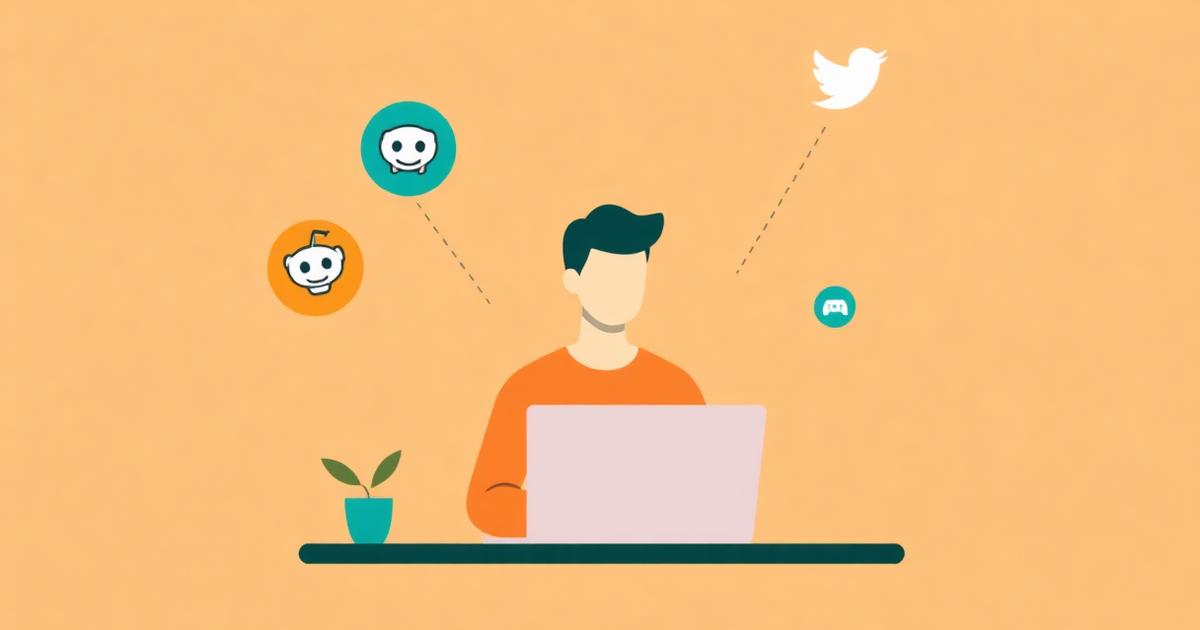
For SaaS founders, the watering holes are surprisingly niche:
- Reddit: Subreddits like r/SaaS, r/Entrepreneur, r/IndieHackers.
- Discord/Slack Communities: Private groups focused on SaaS, building, or specific tech stacks.
- Indie Hackers Community: Insightful discussions and early adopters.
- Twitter: Following specific builders, investors, and product people.
We weren't there to pitch. We were there to listen and learn.
Step 3: Becoming a Valuable Contributor (No Self-Promotion)
This is the hardest part for many founders. You're bursting to talk about your product. Don't. Not yet.
In those digital watering holes, we focused on providing value. We answered questions. We shared insights. We chimed in on relevant discussions. We offered specific advice without any expectation of return.
Think of it as building social capital. People started recognizing our usernames, associating them with helpful, informed contributions. This took time (weeks, sometimes months) before anyone even knew what we were building.
The key? If you can't genuinely help, don't comment. Authenticity is immediately obvious.
Step 4: Surgical Cold Outreach
"Cold outreach" often conjures images of spam. Ours was different. After identifying potential users who deeply resonated with our ICP and frequently discussed their marketing struggles, we reached out.
Each message was meticulously crafted. It wasn't a sales pitch. It was a genuine attempt to understand their specific problems and offer a potential solution.
Here's how our outreach evolved:
| Element |
Before |
After (Our Approach) |
| Targeting |
Broad, keyword-based |
Hyper-specific ICP, identified pain points |
| Opening Line |
"Hope you're well..." |
"Saw your comment about X on Reddit, highly relate..." |
| Content |
Product features |
Acknowledging their problem, offering a potential solve |
| Call to Action |
"Book a demo!" |
"Would you be open to a quick chat about X problem?" |
| Goal |
Sale |
Conversation, build rapport |
We personalized every single message. We'd reference a specific Reddit comment, a blog post they wrote, or their product. This proved we did our homework.
Cold outreach isn't about volume. It's about hyper-personalization and genuine problem-solving. Aim for 10 high-quality outreaches over 100 generic ones.
Step 5: Content That Solves Real Problems
Okay, you've engaged, you've started conversations. Now, where do you send them? To content that actually helps them. Not vague marketing fluff.
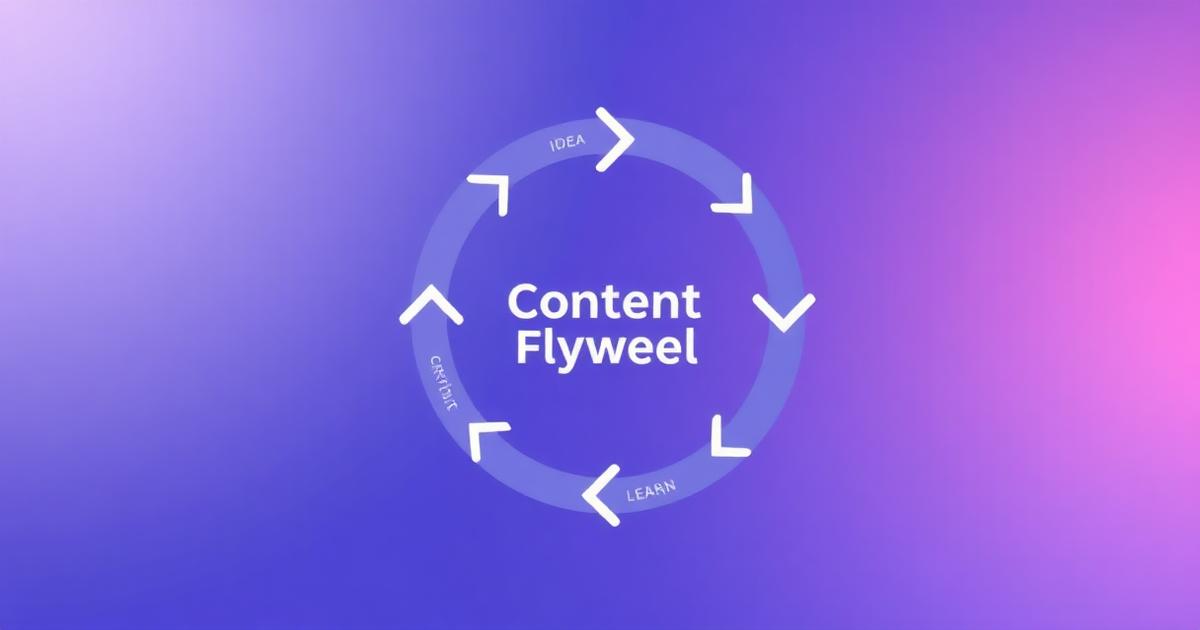
Our content creation process became highly strategic:
- Identify Pain Points: From conversations, community discussions, and user interviews.
- Generate Ideas: Brainstorm topics around those specific pain points.
- Create Assets: Blog posts, guides, comparisons, and tools.
- Distribute & Engage: Share in relevant communities, answer questions using the content as reference.
For example, we knew founders struggled with SEO jargon. So, we built an SEO glossary with 100+ marketing terms explained in plain English. This wasn't a sales page. It was a utility.
The goal: don't just write for search engines. Write for your actual users. Answer their specific questions, even if the keyword volume isn't massive.
Step 6: Free Tools for Lead Generation
We strongly believe in giving value upfront. This is a powerful, zero-ad-spend lead generation strategy.
We built interactive SEO calculators, including keyword density, readability, and meta tag analyzers. These solve immediate, tangible problems for founders.
We didn't gate these tools. Anyone can use them. Because they demonstrate expertise and commitment to helping founders. They naturally funnel interested users towards the core offering.
Consider the journey:
- Founder struggles with SEO.
- Founder uses the meta tag analyzer and gets instant value.
- Founder thinks, "These guys know their stuff. What else do they offer?"
- Founder explores the product.
This isn't theory. It's exactly what happened. Our tools pages consistently bring in highly qualified traffic.
Step 7: Building in Public
Frankly, building in public felt scary at first. Revealing our struggles, our successes, our failures. But it turned out to be incredibly effective.
We shared our journey on Indie Hackers, Twitter, and our blog. We talked about:
- Our progress (e.g., "Just hit X users!")
- Our challenges (e.g., "Struggling to implement Y feature.")
- Our revenue (transparently sharing MRR updates).
- Our learnings (like this very guide).
This fostered a sense of community and trust. People rooted for us. They offered feedback. Many became early users because they felt invested in our journey. It was raw, honest, and effective.
Don't just announce wins. Be equally transparent about your setbacks. People connect with vulnerability.
Step 8: Mastering Product Hunt
Product Hunt can be a fantastic boost, but it's not a silver bullet. We approached our launch strategically, not just as a "launch day" but as a multi-week campaign.
| Stage |
What We Did |
Why |
| Pre-Launch (4-6 weeks) |
Engaged in communities, built email list, cultivated relationships with "hunters." |
Built momentum, secured early upvotes, gathered feedback. |
| Launch Day |
Active on PH comments, shared on all personal channels, direct outreach to network. |
Maximized visibility, responded to questions in real-time. |
| Post-Launch |
Followed up with new users, iterated based on feedback, wrote a PH retrospective. |
Retained users, leveraged momentum, gained trust. |
We didn't just dump our product and hope for the best. We nurtured it. We engaged. We converted those initial Product Hunt users into our first paying subscribers by providing immense value immediately.
Product Hunt is a sprint within a marathon. Plan meticulously, engage actively, and treat it as a community-building exercise.
Step 9: Value-Driven Email Campaigns
We hate spam. You hate spam. Our email strategy was simple: provide value before asking for anything.
Our email list grew organically from sign-ups for our free tools, content downloads like specific guides, and visitors to our comparison pages.
Each email sequence was designed to educate and solve problems. For example, if someone used our readability checker, they might get a sequence of emails with tips on improving their content's clarity. Later emails would subtly introduce how automation can streamline this process.
We rarely "pitched" in the traditional sense. We educated, we empowered, and then we showed how the product fit into their workflow.
Segment your email list. Don't send the same email to everyone. Tailor your messages to their specific entry point and demonstrated interest.
Step 10: From Free Users to Paying Customers
Getting people to sign up for a free trial is one thing. Getting them to pay is another. Our activation sequence was critical for converting curiosity into commitment.
This wasn't just about in-app onboarding. It was about ongoing support and demonstrating immediate value.
- Personal Welcome: A quick, personalized email from one of us.
- An "Aha!" Moment: Guiding users to their first quick win. This might be generating their first social media caption or blog outline.
- Direct Check-ins: Asking "What are you trying to achieve?" to understand their specific goals.
- Educational Resources: Pointing them to relevant guides or blog posts that address their immediate marketing challenges.
The goal was to make the product indispensable before the trial ended. Don't assume users will figure it out. Actively guide them to their first "aha!" moment.
Step 11: Feedback Loops & Iteration
Our first 100 paying users weren't just customers. They were co-builders. We listened intently to their feedback, bug reports, and feature requests.
This constant feedback loop allowed us to rapidly iterate and improve. When users saw their input being incorporated, it deepened their loyalty. They became advocates.
We kept channels open: direct emails, a dedicated Slack channel for early users, and even informal "coffee chats."
| Feedback Channel |
How We Used It |
Benefit |
| Direct Emails |
Personalized responses, deeper problem understanding. |
Built personal rapport, felt heard. |
| Slack Channel |
Real-time Q&A, community building, feature polls. |
Fast feedback, sense of ownership among users. |
| User Interviews |
Uncovering unspoken needs, validating hypotheses. |
Strategic product direction, richer insights. |
Don't just collect feedback. Act on it. Show your users that their opinions directly influence the product's development.
Step 12: Audience-Specific Landing Pages
Finally, we refined our messaging and created dedicated landing pages. Our main audience, solo SaaS founders, needed to feel seen and understood.
Our landing page for SaaS founders directly addresses their pain points ("spending 80% time on product, 0% on marketing"), speaks their language, and showcases how the product is specifically built for them.
General landing pages are fine, but hyper-specific landing pages that directly address your niche audience's unique pains convert far better.
Common Mistakes (That We Almost Made)
Looking back, here are the pitfalls we diligently avoided (or narrowly escaped):
- Jumping Straight to Paid Ads: Tempting, but it blinds you to organic channels and drains your runway fast.
- Selling Before Helping: Nobody wants to be pitched immediately. Value first. Always.
- Ignoring Niche Communities: Your first users aren't lurking on LinkedIn. They're in specific subreddits, Discord groups, and forums.
- Generic Messaging: "Our product is great for everyone!" No, it's not. Be specific.
- Building in a Vacuum: Not listening to early users is a death sentence.
- Focusing on Features, Not Benefits: Users care about how your product makes their life better, not just what it does.
- Giving Up Too Early: Organic growth is slow. It requires patience and consistent effort.
The Reality Check: Where Our First 100 Came From
Reaching 100 paying users without touching our ad budget was intense. It demanded more time and personal effort than any paid campaign ever could.
It took approximately eight months from initial beta to celebrating our 100th paying customer. We had weeks where progress felt non-existent, and other weeks where a single, well-placed piece of content converted a handful of users.
Here's a rough breakdown:
- Community Engagement / Direct Outreach: ~40% (Reddit, Indie Hackers, Twitter DMs)
- Product Hunt Launch: ~25%
- Content Marketing (Blog, Guides, Tools): ~20%
- Referrals / Word-of-Mouth: ~10%
- Partnerships / Collaborations: ~5%
This data underscores the importance of direct engagement and providing immense value upfront.
What We'd Do Differently
The answer wasn't a magic growth hack. It was a deliberate, user-centric strategy: understanding pain points, providing solutions, and building genuine relationships.
If we had to start over tomorrow, we'd spend even more time in communities before launching anything. The relationships we built in those first few months were worth more than any ad campaign could have produced.
Your first 100 paying users are out there. They're talking about their problems right now, in some subreddit or Discord channel. Go find them. Listen first. Help second. Sell third.
Related Reading
FAQ
How long does it take to get your first 100 users?
For most SaaS products, getting the first 100 users takes 4-8 weeks of consistent effort using organic channels like social media, communities, and content marketing. The key is focusing on one or two channels rather than spreading yourself thin.
Can you get 100 users without spending on ads?
Absolutely. SaaS Sidekick reached 100 users with zero ad spend by combining build-in-public content on X, strategic Reddit engagement, and SEO-optimized blog posts. The approach takes more time but builds a more engaged user base.
What is the best channel for early SaaS users?
The best channel depends on where your target audience hangs out. For developer tools, Reddit and Hacker News work well. For business SaaS, LinkedIn and X are strongest. For consumer SaaS, Product Hunt and TikTok can drive quick signups.
How do you convert free users to paying customers?
Focus on delivering value in the first 5 minutes. Use a welcome email sequence, in-app onboarding, and track activation metrics. Most successful SaaS products see 2-5% free-to-paid conversion rates with good onboarding.
Related